
THERE IS NO UNIVERSAL NUMBER
Five things to consider.
Age and life stage
A puppy, an adult dog, and a senior dog will not need the same kind of walk.
Breed and energy level
Some dogs need more activity and mental stimulation than others.
Health and mobility
Pain, stiffness, illness, weight, and recovery can all affect walking. Ask your veterinarian if you are unsure.
Weather and walking surface
Heat, cold, and hard ground can make a normal walk uncomfortable or unsafe.
Personality and routine
Some dogs prefer one long walk. Others are happier with several short outings.
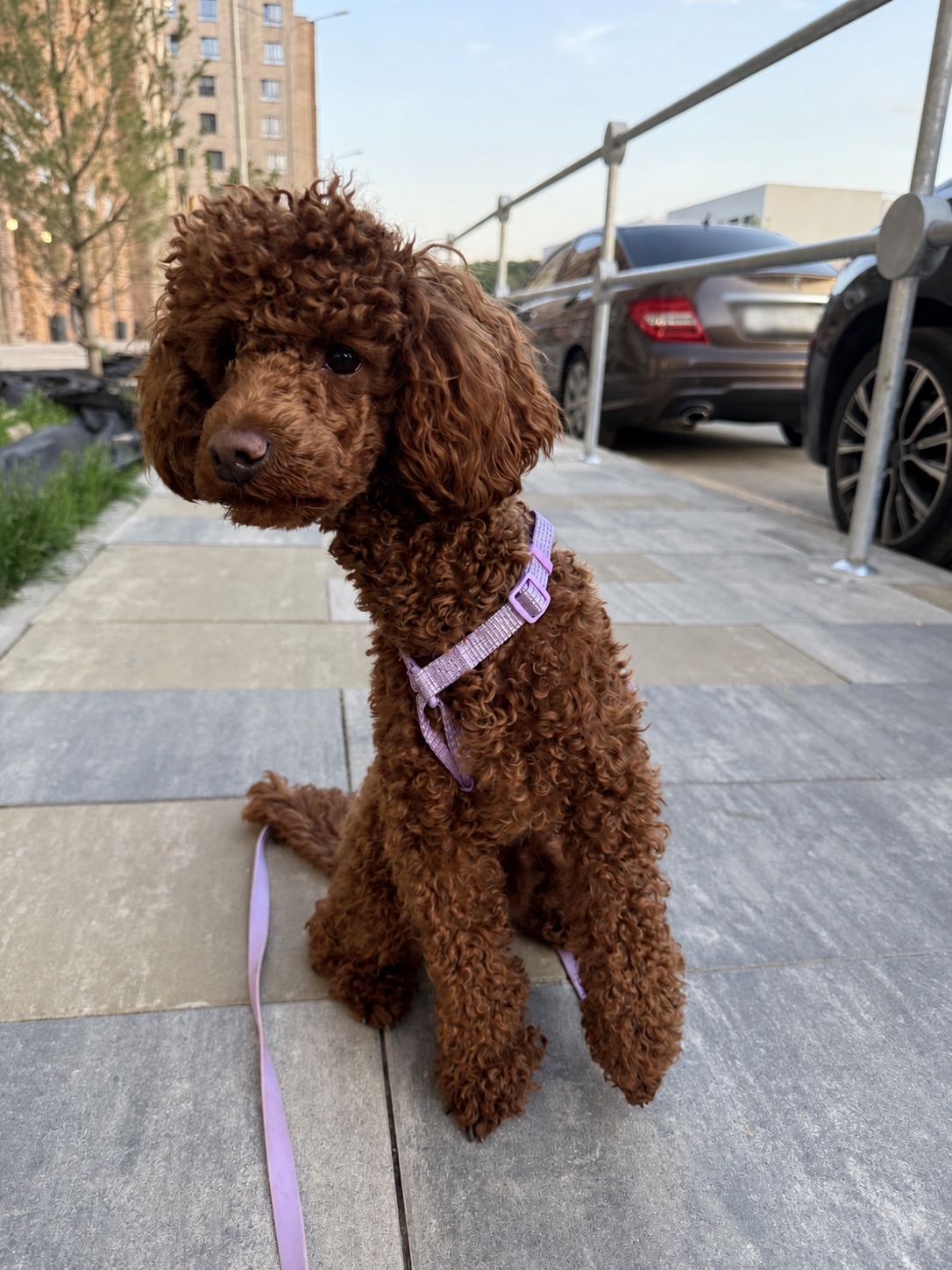
AGE MATTERS
Walking needs change with age.
Puppies
Start with short, positive walks and build up gradually. Ask your veterinarian when it is safe to begin public walks and how much exercise is appropriate.
Adult dogs
Healthy adult dogs can usually handle longer walks, but the right schedule still depends on their energy, breed, fitness, and time to sniff.
Senior dogs
Many older dogs still enjoy daily walks. Shorter, more frequent outings may be easier. Speak with a veterinarian if mobility or stamina changes noticeably.
KEEP AN EYE ON THE ROUTINE
Start with a routine, then adjust it.
Choose a schedule that fits your dog and your household. Make changes gradually and pay attention to how your dog responds over several days. A simple walking log can make changes easier to notice without turning every walk into a score.
- Keep daily walks reasonably consistent.
- Include slower sniffing time, not only brisk exercise.
- Change duration or pace gradually.
- Record walks so shared caregivers see the same routine.
- Ask a veterinarian about pain, mobility limits, recovery, or major changes in tolerance.
SOURCES
Further reading
This guide is general information, not veterinary advice.